
RECOVERY
DISCIPLESHIP
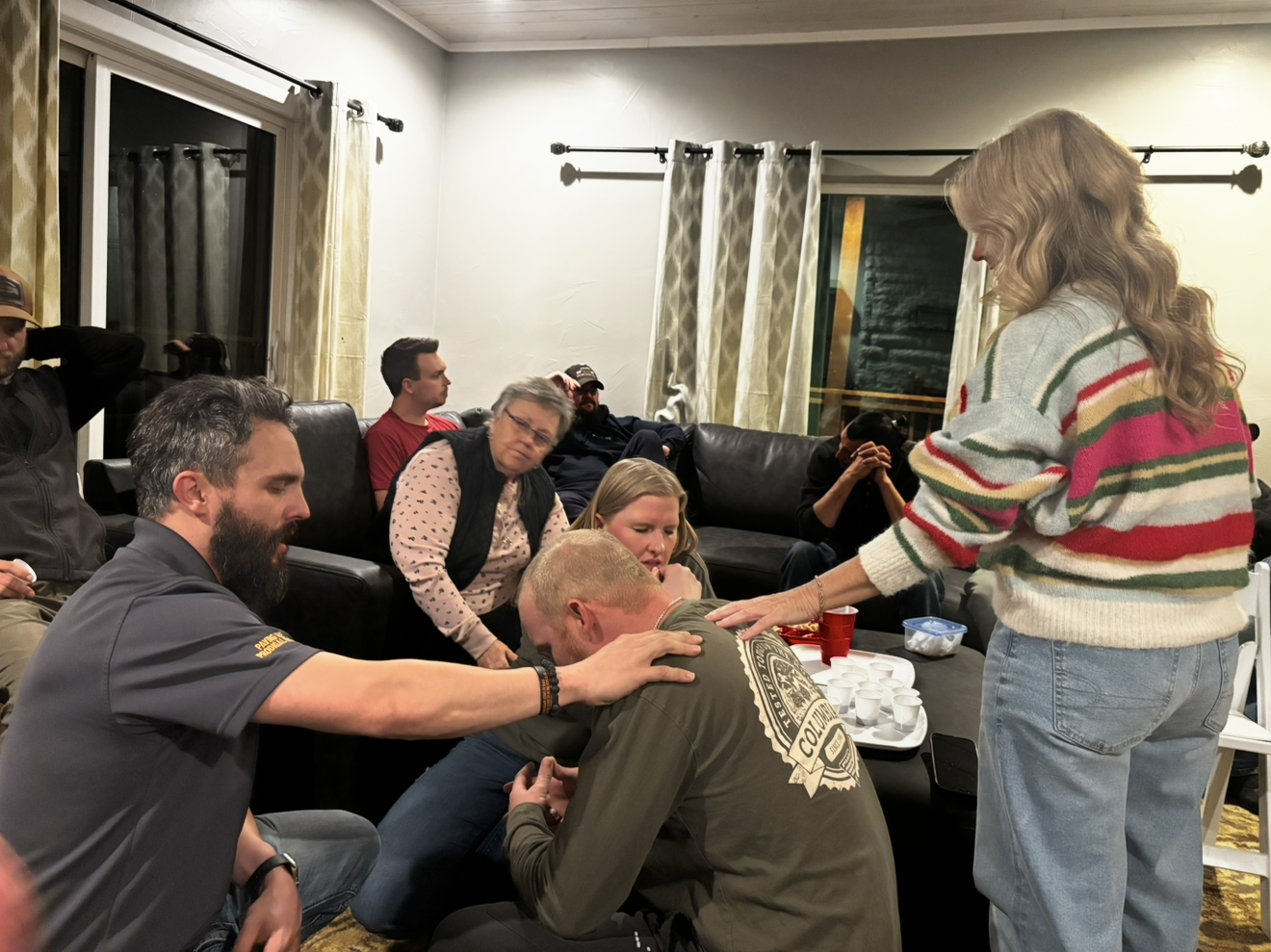
The Prodigal Journey is a structured, Christ-centered discipleship program designed to lead men from brokenness into identity, stability, and purpose. Whether participating as a residential or non-residential client, every man walks through the same four-phase pathway.
This journey is not behavior modification—it is transformation. It is built to address the spiritual, emotional, relational, and practical areas of a man’s life through intentional discipleship, accountability, and authentic community.
Each phase builds on the previous one, creating a progression from foundation to leadership. The structure is intentional—we do not rush transformation, we walk it out.
Phase 0: 6 weeks (probationary orientation)
Phase 1–4: 12 weeks each
Mentorship: Twice monthly throughout the entire program
Workbooks: 6 modules per phase (2 weeks per module)
Every man is paired with a mentor who walks alongside him, helping him process, apply, and live out what he is learning.
A Four-Phase Discipleship Pathway
Person-Centered Approach
·
Trauma Informed
·
Peer Driven
·
Person-Centered Approach · Trauma Informed · Peer Driven ·
Phase 1 - Foundations of Faith
(12 Weeks)

Phase 1 establishes a man’s identity in Christ.
This is where everything begins to take root. The focus is building a strong spiritual foundation through Scripture, truth, and daily relationship with God.
Men develop:
Daily habits of prayer and time in the Word
Understanding of core Christian beliefs
Clarity on salvation and identity
Freedom from past labels and false beliefs
This phase aligns with the early stages of discipleship—where a man encounters Jesus and begins to follow Him.
Without this foundation, nothing else will hold.
Phase 2 - Personal Accountability
(12 Weeks)

Phase 2 shifts from belief to ownership.
This is where a man begins to take responsibility for his life, his decisions, and his growth.
Men learn to:
Set and pursue personal goals
Develop discipline and consistency
Take responsibility for actions and choices
Regulate emotions and responses
Build structured daily habits
This phase is where truth becomes lived.
A man moves from:
“I know what’s right” to “I am choosing what’s right”
Phase 3 - Community Engagement
(12 Weeks)
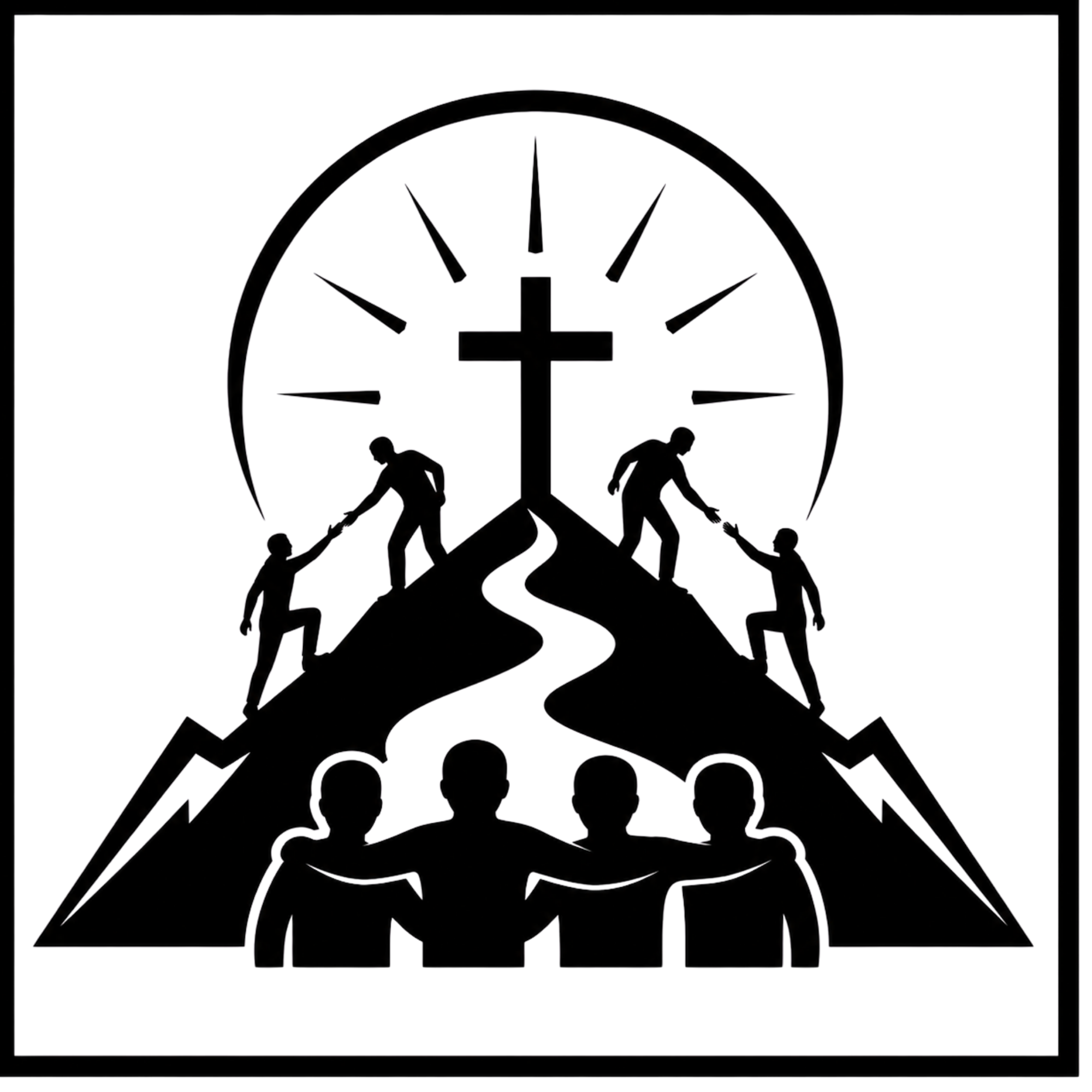
Phase 3 moves a man outward.
Transformation is no longer just internal—it begins to impact relationships, work, and community.
Men are challenged to:
Serve others intentionally
Build healthy, godly relationships
Engage in outreach and community service
Maintain employment and responsibility
Practice biblical conflict resolution
Begin mentoring others
This phase reflects a shift into purpose.
A man is no longer just receiving—he is now contributing.
Phase 4 - Leadership & Mentorship
(12 Weeks)
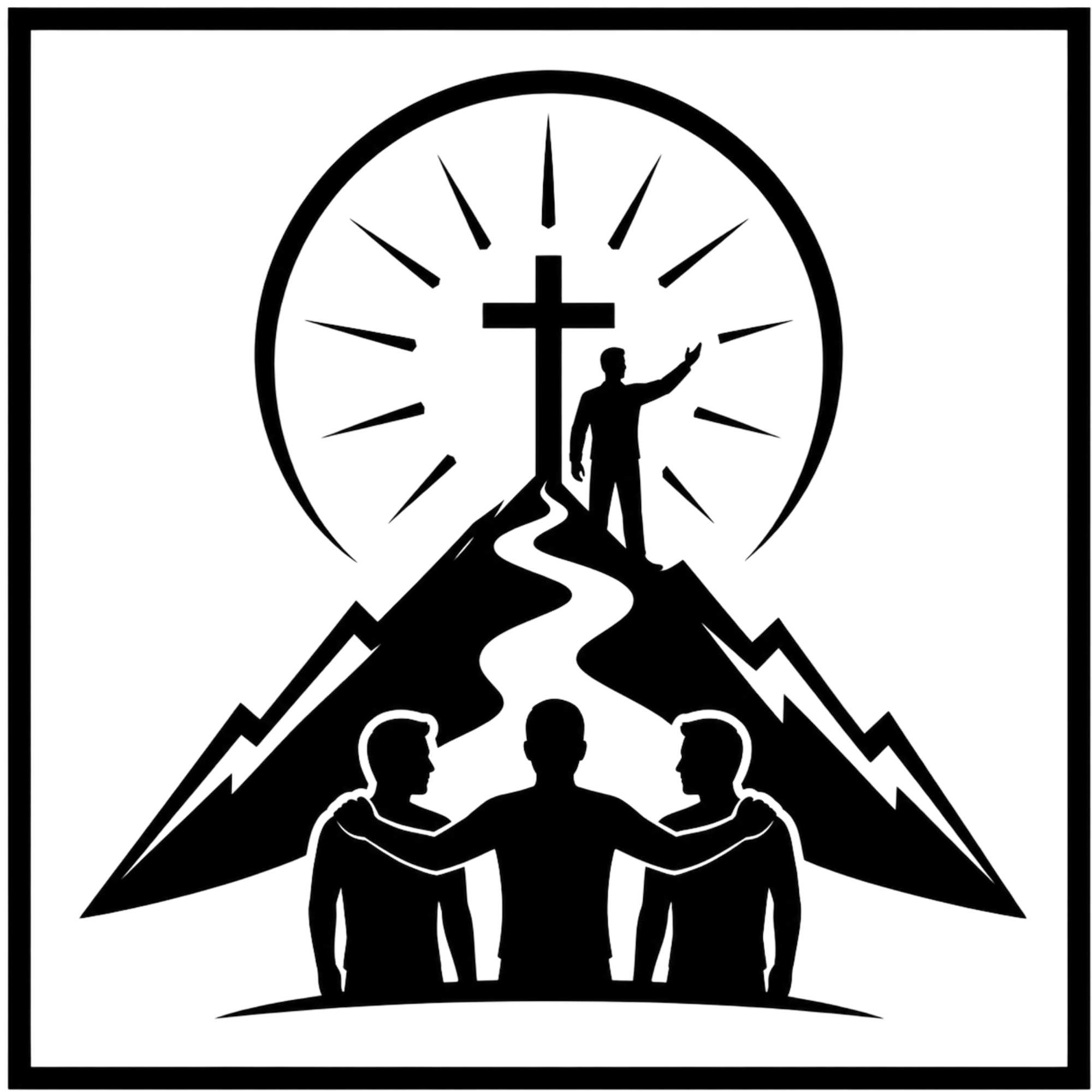
Phase 4 is where disciples become leaders.
This phase is not required to graduate, but it is required for anyone who desires to volunteer or work with Prodigal Road Ministries in the future.
This is intentional—because leadership here is not about position, it is about proven character.
Men in this phase:
Lead group discussions and discipleship settings
Mentor newer participants
Walk in servant leadership
Demonstrate spiritual discipline and integrity
Organize and lead a house event (Bible study, worship night, or activity)
Plan and execute a community outreach initiative
This phase reflects multiplication.
What has been built in a man now begins to flow through him into others.
A Proven Model of Discipleship
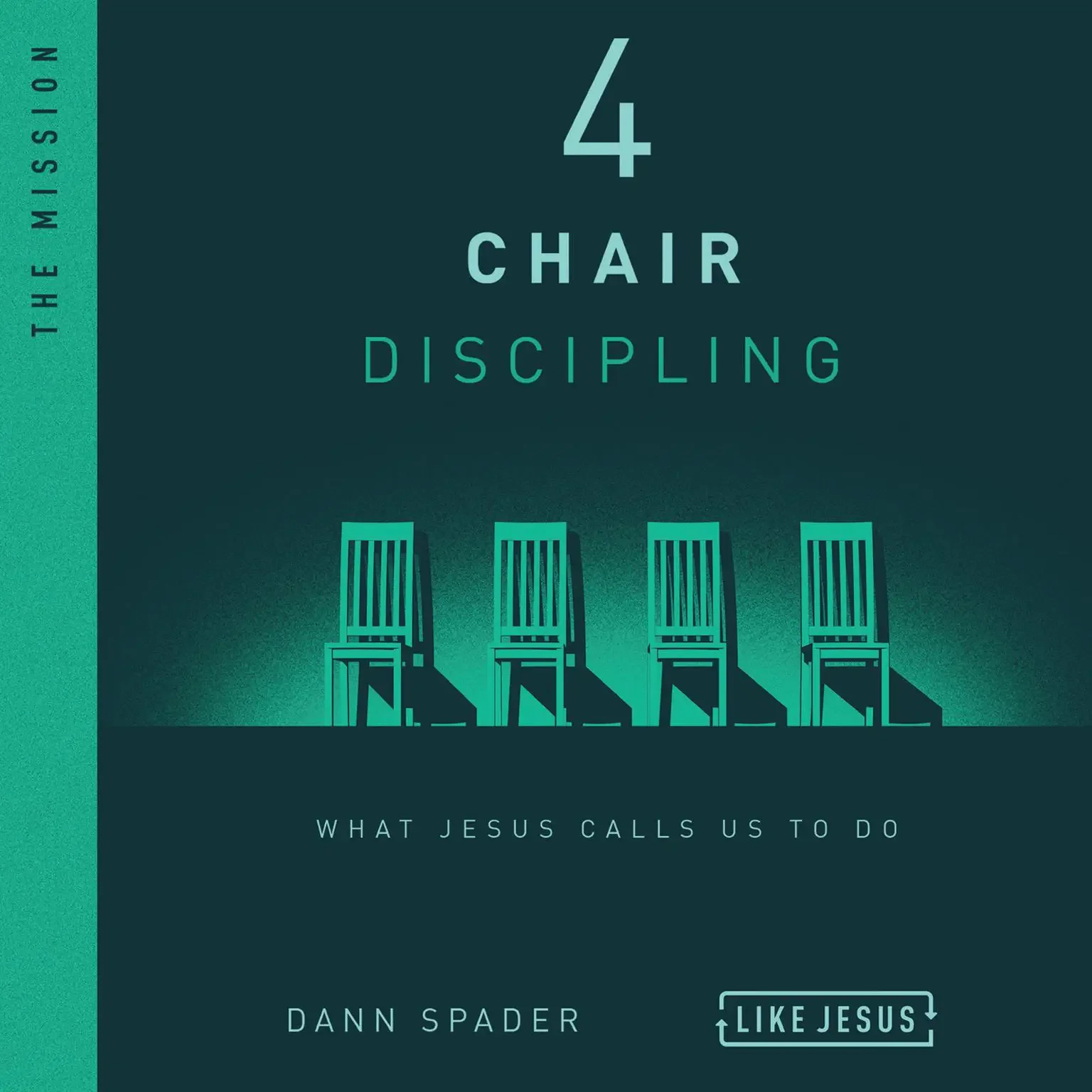
The Prodigal Journey aligns closely with the biblical discipleship framework found in 4 Chair Discipling by Dann Spader—a model based on how Jesus developed His disciples.
This model moves people through four stages:
Come and See
Follow Me
Fish for People
Go and Bear Fruit
What is powerful is that this same progression is reflected in the structure God gave the founders of Prodigal Road Ministries. The phases of the Prodigal Journey mirror this pathway—moving men from encounter, to formation, to activation, to multiplication.
This means men are not just being taught—they are being discipled the way Jesus discipled.
Mentorship: Through Every Phase
No man walks this journey alone.
Every participant is paired with a mentor who:
Meets with him twice per month
Walks through the workbook alongside him
Provides accountability, guidance, and spiritual support
Each workbook contains 6 modules, completed over two weeks each, allowing time for deep processing and real-life application.
This ensures discipleship is not rushed—it is formed.
Why a Four-Phase Model?
Transformation requires more than information—it requires process.
Each phase is designed to address a specific layer of growth:
Phase 0 tests readiness and establishes commitment
Phase 1 builds spiritual foundation and identity
Phase 2 establishes discipline and personal responsibility
Phase 3 activates outward living and relational strength
Phase 4 develops leadership and multiplication
This progression reflects a biblical pattern:
God forms a man before He sends a man.
One Program, Two Pathways
The Prodigal Journey is the same discipleship program for both:
Residential participants
Non-residential participants
The environment may differ, but the process of transformation does not.
The Outcome
By the end of this journey, a man is not just sober—he is:
Rooted in Christ
Responsible in his life
Restored in relationships
Engaged in community
Equipped to lead
And for those who complete Phase 4, he is prepared to help others walk the same road.